AquaB Reaches Commercial Milestone with Saudi Aramco Deployment

Our flagship Vulcan-500 nanobubble generators have been successfully deployed at Saudi Aramco facilities in Saudi Arabia this week, to support more sustainable approaches to oil production. The generators use our proprietary electrostriction-based technology to address critical operational and environmental challenges in the energy sector.

Elaine Shaw, CEO, AquaB, said: "Our contract with Saudi Aramco marks a transformative moment in AquaB's journey from research and development to commercial cleantech leader with global reach, demonstrating that we've successfully transitioned from technology innovation to delivering solutions that the world's leading energy companies are actively deploying in their operations.

"By using our nanobubble generators to support innovation, our clients are reimagining how the energy sector can operate more sustainably whilst maintaining operational excellence. The next phase of our growth will see us scaling globally whilst continuing to push the boundaries of what's possible with nanobubble engineering."

Our nanobubble technology uses static electric fields to create ultra-dense nanobubbles that can significantly enhance oil recovery efficiency while reducing the need for chemical additives. The technology also offers superior performance in treating produced water and drilling fluids - processes common in oil and gas operations - and in supporting algae regulation.

The deployment represents the culmination of a year of substantial progress for AquaB. In September, the company’s founder and CTO, Professor Niall English, presented on the potential of nanobubbles in microalgal-biofuels production at the 6th International Conference on Biofuels and Bioenergy in Rome. The company then secured a top three position in the prestigious Colorado Cleantech Oil & Gas Challenge, finishing ahead of more than 40 competing companies from around the world. In November AquaB participated in the Low-Carbon Technologies Pavilion of ADIPEC, the world’s largest energy event, and later that same month, AquaB was recognised by Ireland’s Chapter of the Project Management Institute’s Awards winning two prestigious awards. 

Professor English, CTO of AquaB and a Professor of Chemical Engineering at UCD, said: "Seeing our nanobubble generators enter operational service with the world’s biggest energy company is the culmination of years of research and development. Our electrostriction-based approach offers the gas and oil industry a genuinely exciting pathway to significantly improve recovery rates whilst reducing environmental impact.

"For as long as the world's economy remains dependent on gas and oil, renewable or otherwise, AquaB is committed to using our breakthrough technology to reduce emissions and environmental harm, as well as improve process techno-economic productivity."

Unlike conventional nanobubble generation technologies that rely on high-pressure systems and membranes, AquaB's generators use electric fields to create nanobubbles with exceptional properties. This approach delivers very low power consumption, minimal maintenance requirements due to the solid-state nature of the technology, and nanobubbles that are stable for many days or weeks, far exceeding the residence time of most industrial processes.

Having successfully concluded its European Innovation Council (EIC) Accelerator programme last year, the AquaB’s nanobubble generators have moved beyond proof-of-concept to become deployable solutions for leading energy companies. AquaB's progression from research to commercial deployment has been supported by the EIC Business Acceleration Services, which provides tailored support to help EIC-backed innovators bring their technologies to market and scale their businesses. 
Image
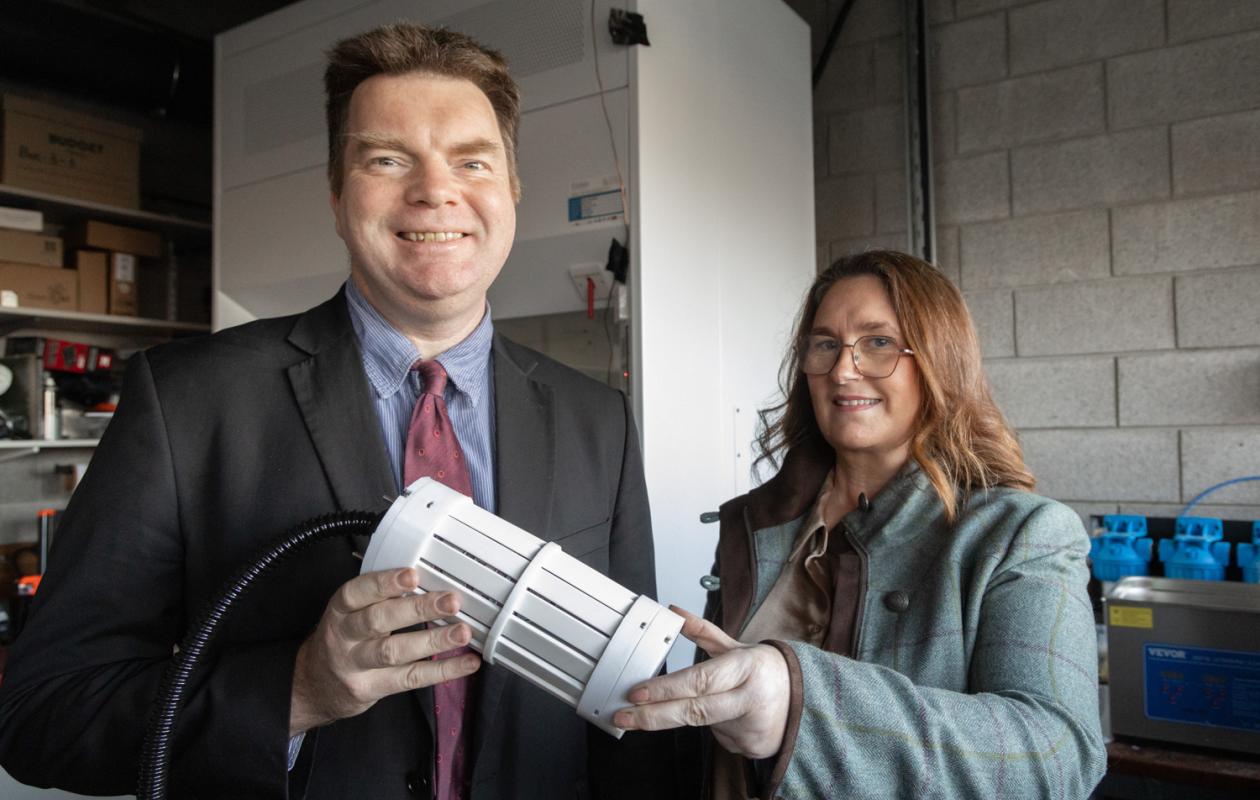
Prof Niall English with CEO Elaine Shaw

AquaB Wins Double Award at PMI Ireland National Project Awards 2025

AquaB Nanobubble Innovations Ltd has been honoured with two prestigious awards at the Ireland Chapter of the Project Management Institute's 2025 National Project Awards, which celebrate excellence in project management across Ireland.

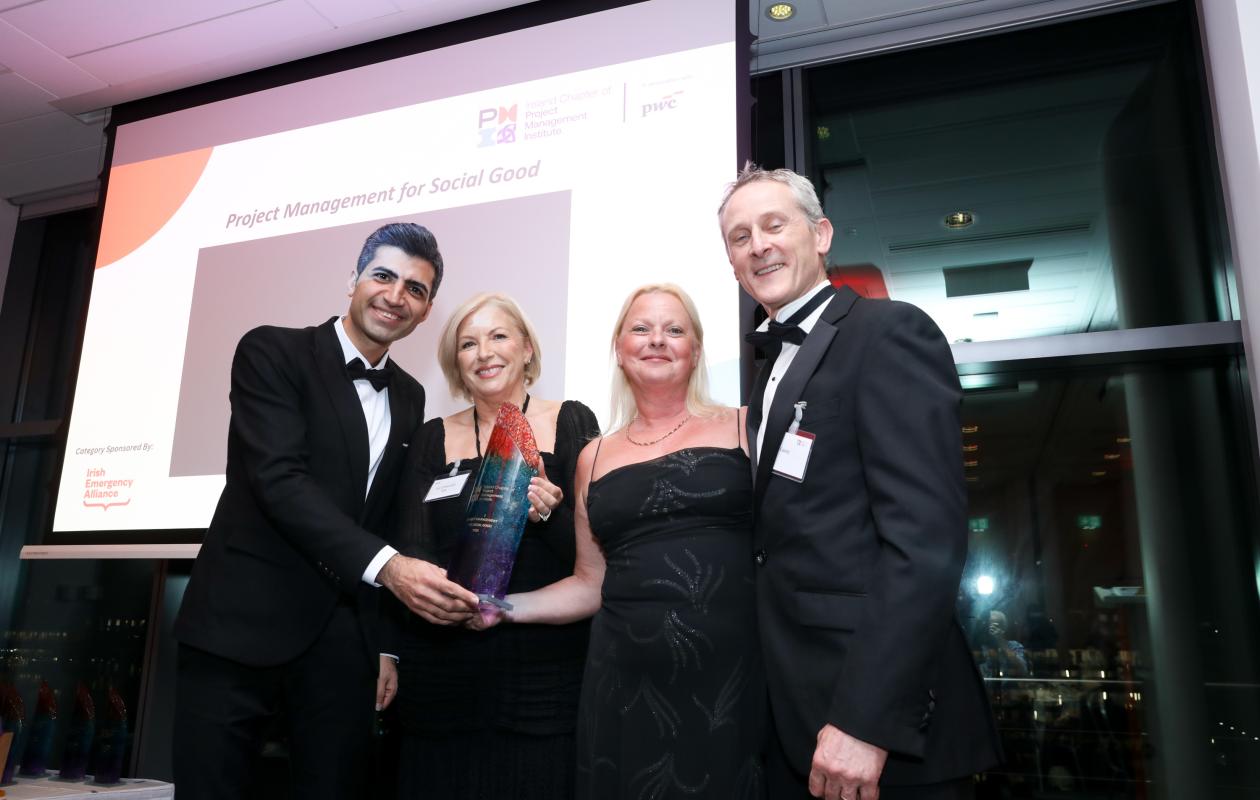
The University College Dublin spin-out company received the Project Management for Social Good award, sponsored by the Irish Emergency Alliance, and the SDG Excellence Award for the submission most compliant with the UN's 17 Sustainable Development Goals, sponsored by Accelerating Action. 

The awards, now in their ninth year, recognise outstanding projects across Ireland and celebrate the very best in project management talent across the country. Winners were announced at a black-tie gala dinner held on Thursday, 6 November 2025 at PwC, Spencer Dock, Dublin 1.

Commenting on the awards AquaB's CFO, Sorcha Mallon, said: "These awards recognise the dedication of our entire team in developing technology that addresses real-world sustainability challenges. We are particularly proud that the awards acknowledge the social and environmental dimensions of our work."

The recognition reflects AquaB's commitment to ensuring its proprietary electric-field nanobubble generation technology delivers meaningful environmental and social impact whilst meeting rigorous sustainability criteria. The company's technology is designed to align commercial objectives with planetary wellbeing, with applications spanning enhanced oil recovery, produced water treatment, and algae regulation in the energy sector.

Image
AquaB wins Project Management for Social Good award at PMI Awards

AquaB Secures Top 3 Position in Colorado Cleantech Oil & Gas Challenge

AquaB Nanobubble Innovations has been named in the top three companies at the prestigious Colorado Cleantech Oil & Gas Challenge, finishing ahead of more than 40 competing companies from around the world in a competition that spotlights breakthrough technologies for the energy sector.

The global technology-scouting competition, held in Denver in late September, sought clean-tech innovations that tackle the oil and gas sector's toughest operational challenges. AquaB was selected for its groundbreaking approach to enhanced oil recovery, gas engineering, and water stewardship applications.

Pitching to Industry Leaders

Professor Niall English, CTO of AquaB, represented the company at the live pitch event where a dozen finalists presented to leading operators, service companies, and investors. The Challenge specifically targeted technologies addressing air and methane management, carbon capture utilisation and storage, digital oilfield solutions, water stewardship, and footprint reduction.

"Being recognised among the top innovators in this highly competitive global challenge validates the transformative potential of our nanobubble technology for the energy sector," said Professor English. "Our electrostriction-based approach offers the gas and oil industry a pathway to significantly improve recovery rates whilst reducing environmental impact, and water, surfactant, methane and CO2 management are our collective top concern."

Platform Technology for Multiple Applications

AquaB's nanobubble technology addresses multiple challenge categories simultaneously. The company's generators utilise static electric fields to create ultra-dense nanobubbles that can significantly enhance oil recovery efficiency while reducing the need for chemical additives.

As a platform technology, AquaB's electrostriction-based nanobubble generators offer significant potential to cut emissions, boost efficiency, and reduce operational footprints across multiple energy-sector applications. The technology's versatility was a key factor in securing the Top 3 position, demonstrating applications from enhanced oil recovery to water treatment and beyond.

"AquaB offering game-changing gas and oil yield, process efficiency and sustainability improvement, without any trade-off, is truly exciting," Professor English added. "The Colorado Cleantech Challenge is an invaluable platform to demonstrate how our ultra-low energy nanobubble generators can address critical challenges in the energy, renewable-energy and water sector."

The recognition comes at a pivotal moment as global energy companies seek technologies that can improve operational performance while reducing environmental impact. AquaB's technology offers a unique proposition: enhanced productivity alongside sustainability benefits.

Unlike conventional nanobubble-generation technologies that rely on high-pressure systems and membranes, AquaB's generators use electric fields to create nanobubbles with exceptional properties. This approach delivers:

  • Very low power consumption – tens of Watts versus several kW
  • Minimal maintenance requirements due to solid-state nature with no moving parts
  • Nanobubbles that are stable for days or weeks – far exceeding the residence time of most industrial processes
  • Applicability for any gas
  • Chemical-free operation, working well at low pressure and with ambient air

The Colorado Cleantech success reinforces AquaB's position as a leading innovator in the cleantech space, with the company's certified nanobubble generators now ready for commercial deployment across the energy sector.

About the Colorado Cleantech Oil & Gas Challenge

The Colorado Cleantech Oil & Gas Challenge is a global technology-scouting competition that fast-tracks clean-tech solutions into the oil and natural gas value chain. The competition connects innovative companies with leading operators, service companies, and investors, providing a platform for breakthrough technologies to gain exposure, credibility, and potential commercial partnerships. Applications are welcomed worldwide, with no geographic barriers to participation.

Image
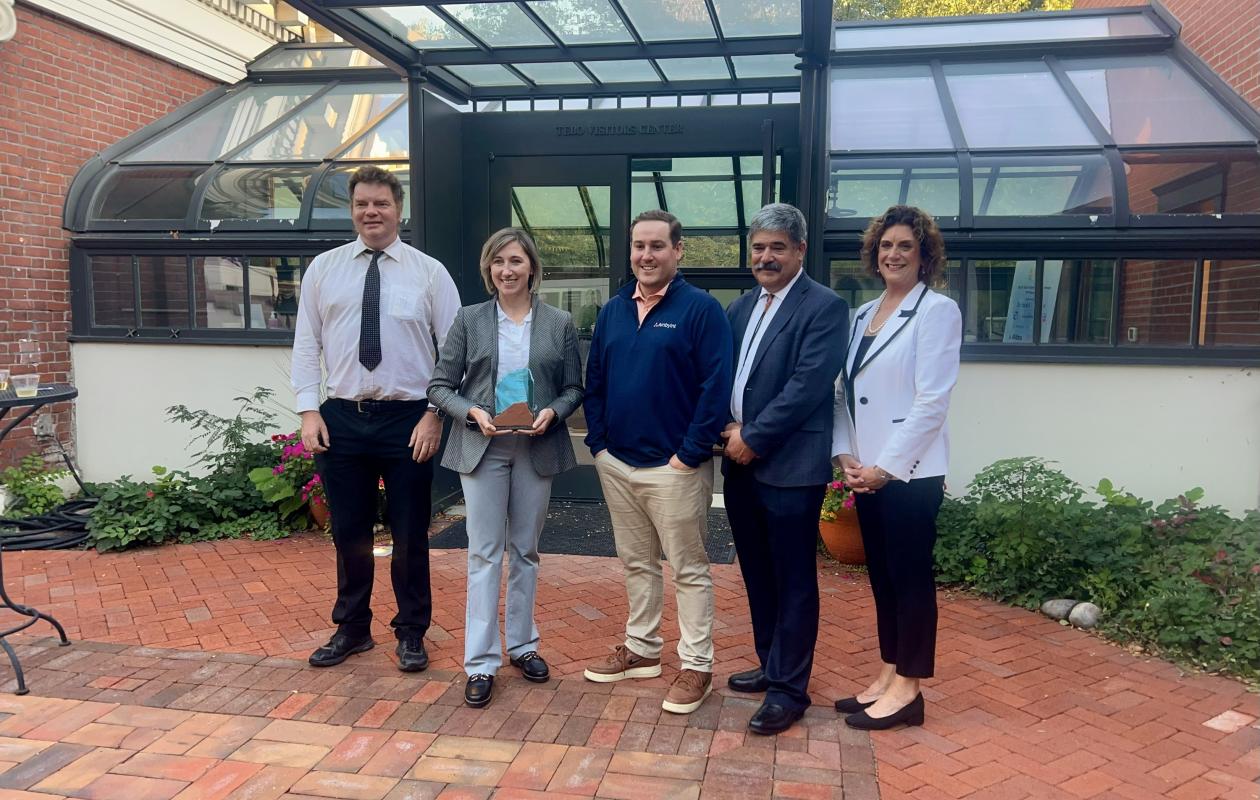
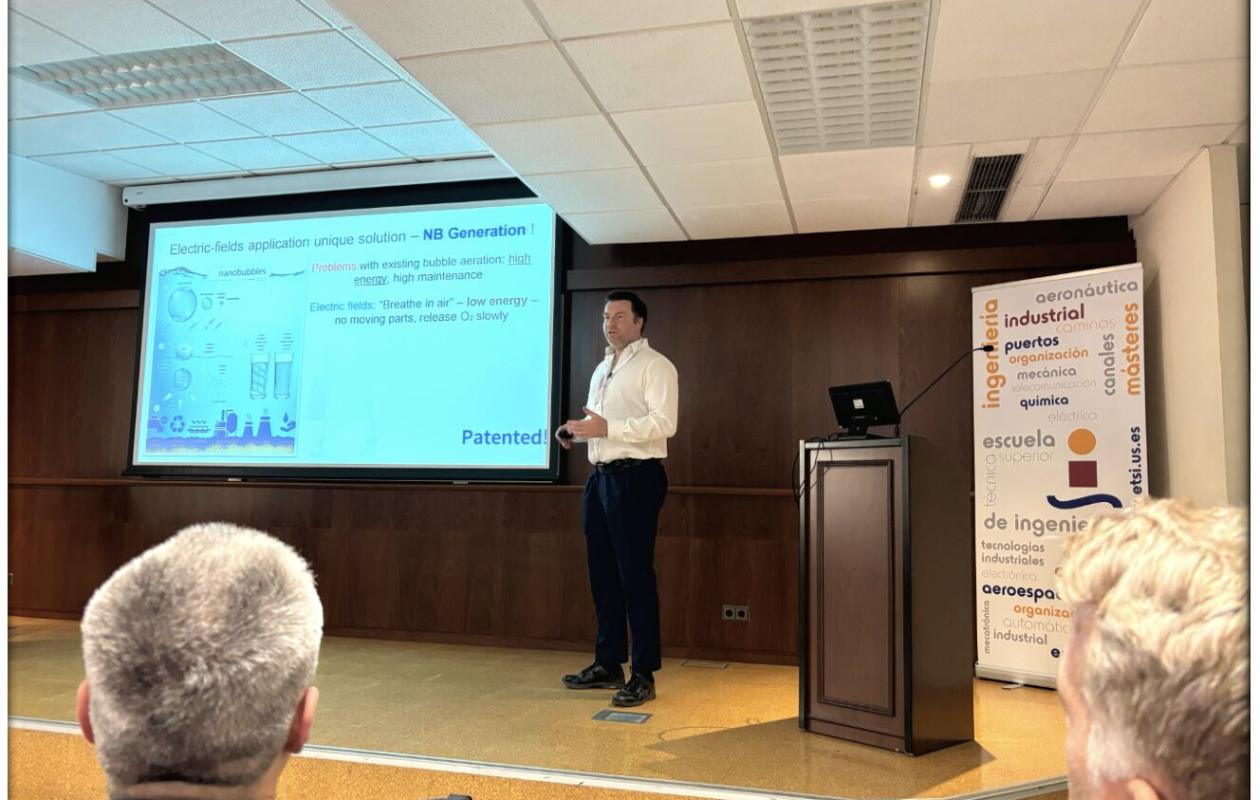
Prof Niall English at Colorado Cleantech Oil and Gas Challenge

Nanobubble transformation of water treatment

In this article, first published in Open Access Government, Professor Niall English explains how AquaB's breakthrough nanobubble technology can address the challenges of water treatment.

The world is facing ever more challenging problems in water treatment, especially given the ongoing high cost of aeration for activated- sludge treatment – but also for Dissolved-Air Flotation and even more dramatically in the area of environmental water treatment (e.g., treatment of algal blooms in reservoirs and lakes, in view of UN record- breaking increasing temperatures in recent decades). In this increasingly urgent context of climate change, and given the quest for more sustainable solutions in water treatment across various disparate sectors – especially in those with already-large energy requirements (e.g., in the gas and oil industries), AquaB Nanobubble Innovations has made substantial techno-commercial strides in recent years with its breakthrough nanobubble-generation technology, aided by UCD’s Prof. Niall English, who lead-invented and developed the underlying electric-field technology.

Enter nanobubbles: Our friends electric

Nanobubbles are tiny buoyancy-evading gas-filled communities outside of standard thermodynamic (Henry’s Law) dissolution; in other words, rather than being solitary molecules surrounded by water or solvent molecules, they are present in larger bubbles on the nanoscale, with many thousands of gas molecules and are metastable for long periods. Because they do not rise quickly, as the demo video here shows, defying Stokes’ Law, they are stable for potentially many weeks, unless there is a pressing biological or chemical gas demand, e.g., for activated-sludge cultures, wider water treatment, in fermentation or oil-gas operations – to name just a few important areas.

The electric-field approach to NB generation used by Prof. English in his ERC and AquaB’s EIC projects is superior to previous-generation mechanical approaches. This has led, inter alia, to significantly more competitive proof-of-concept work in microalgae cultivation, with increased biomass output for reduced input (January 25), which is very promising for NB-enhanced microalgae activities and ambitions, as Prof. English outlined in his plenary lecture at the first European Conference on Algae Biotechnology in April 2025. In a word, by avoiding membranes and classical mechanical NB-generation approaches, the energy cost for electric-field NB generation, or ‘bubbles per buck,’ is significantly reduced, with more facile operation, including Off-Grid, e.g., by solar and backup batteries for round-the-clock operations. This is also discussed in the podcast.

Nanobubbles for leaner, greener, smarter water treatment

AquaB’s and Prof. English’s most recent TRL-8 field trials at wastewater treatment plants (WWTPs) from the successful ERC and EIC projects have shown a notable scope for performance improvement in aeration operations, with lower energy costs and more energy-efficient operation. By leveraging intrinsically more efficient oxygenation, AquaB has demonstrated substantial aeration-energy savings in wastewater treatment plant (WWTP) operations, as well as significantly higher dissolved-oxygen levels that benefit activated-sludge cultures and improve Dissolved-Air Flotation. There was potent oxidation of ammonia and nitrite, as well as wider beneficial redox reactions for odour control.

In addition, an overview has also been presented of AquaB’s important and new advanced monitoring and feedback-control systems, particularly with the development of governing AI models for optimising ongoing NB-generation productivity.

AquaB’s gas and oil progress

In the gas industry, AquaB and UCD have also made significant progress with further biogas-plant trials, supported by Gas Networks Ireland, iForm Science Foundation Ireland, Enterprise Ireland and the European Innovation Council (EIC)/European Research Council (ERC). In the renewable-gas industry, numerous water-treatment needs exist. Most notably, NBs can be used to clean raw biogas directly. The water absorbs methane and hydrogen sulphide preferentially from the raw biogas, leaving much purer methane. A lower-energy and membrane-free ‘upgrade’ of biogas was achieved using only electric-field NB generation in NB-enhanced “water washing”. In contrast, air and CO2 NBs were used for similarly effective and low-energy digestate-water treatment, redox manipulation, odour neutralisation, and the production of residual organic fertiliser material.

Indeed, progress in pilot trials has also been strong in the fuel and oil sectors. Here, amongst other things, AquaB’s NB generators have also shown good promise, with well-performing core-flood tests, surface-tension shifts, and oil-water separations requiring significantly less surfactant, which is vital for midstream operations. In the case of upstream NB-based fracking for Enhanced Oil Recovery (EOR), there is, therefore, much greater and faster frac-water penetration into the rock-sediment matrix, which dislodges pore-intercalated hydrocarbons and releases more rapidly greater quantities of oil. It was also found that oil-well ‘produced water’ (with every barrel of oil producing perhaps ten to 15 barrels of wastewater) can be treated more easily by CO2 NBs for the mass formation of carbonates – and their crash-precipitation release – to afford its en-masse desalting. For downstream operations, the combustion of NB-aerated petrol and diesel in internal combustion engines (ICEs) has proven to be more efficient, with improvements of 14% and 16%, respectively, in efficiency, along with reduced emissions.

Nanobubbles outlook: Electric dreams

With the TRL-8 pilot trials and ERC- and EIC-project exploration of fundamental and technical/industrial progress, Prof. English and his colleagues have managed to realise robust industrial progress in the gas, oil, fuels and water-treatment sectors. Coupled with AquaB’s latest AI-model progress and its millifluidic designs developed during the EIC AQUA-BUBBLES project, AquaB is now equipped with smarter and more efficient TRL-9 CE-marked and ISO-certified NB generators to span the full flowrate range from sub-litres to thousands of litres per minute.

With solar-battery capability for passive NB generation, either on a floating or shore-mounted basis, in large water bodies, AquaB looks forward to a strong future with a full product range, from the domestic to industrial scale, in its effort to address pressing global challenges of our day.

AquaB attends GITEX Africa 2025 in Marrakesh

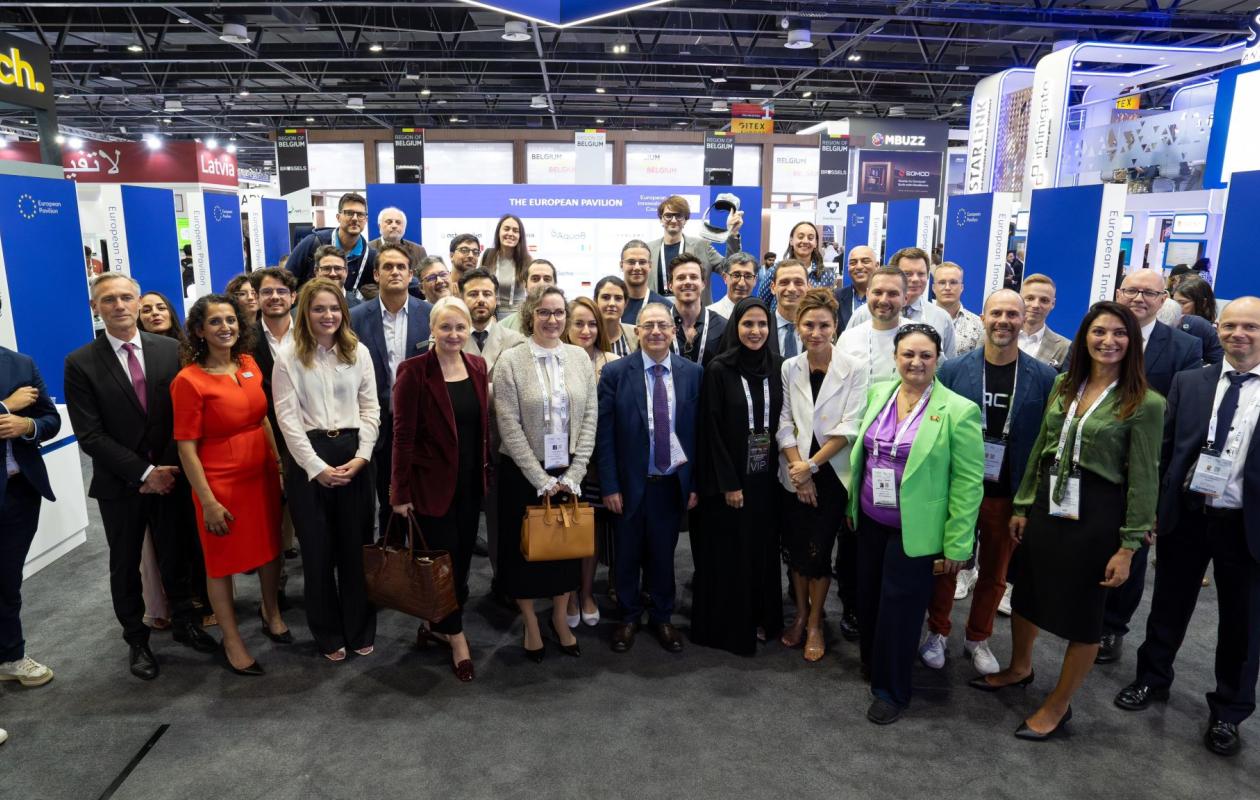
AquaB Nanobubble Innovations participated in GITEX Africa 2025, held in Marrakesh, Morocco, from April 14-16. The company was selected by the European Innovation Council (EIC) as one of five innovative European companies to represent the continent at Africa's largest and most influential technology and innovation event.

The selection by the EIC recognises AquaB's position at the forefront of sustainable technology innovation. As part of the EU EIC Pavilion, the company joined an elite group of European innovators chosen to demonstrate breakthrough technologies with potential for significant global impact.Throughout the three-day event, AquaB's team engaged with industry leaders, policymakers, and potential partners to demonstrate how nanobubble technology is transforming multiple sectors. 

Nanobubbles - tiny gas bubbles measuring less than 250 nanometres in diameter - remain invisible to human vision but deliver measurable impact across diverse applications including:

  • Water and wastewater treatment
  • Energy sector operations
  • Industrial process optimisation
  • Environmental remediation

A key focus of AquaB's participation was the concept of nanobubble engineering; the precise control and optimisation of nanobubble characteristics to deliver scalable, sustainable solutions across sectors for tailored deployment strategies that address specific industrial challenges.

AquaB's electric field-based generation technology enable this level of control, allowing adjustment of critical parameters including nanobubble size distribution, population density, and stability characteristics to match application requirements.

Building Bridges for Sustainable Innovation

GITEX Africa 2025 provided an important platform for exploring collaboration opportunities between European technology innovators and African markets facing pressing challenges in water security and sustainable development and the EU EIC Pavilion at GITEX Africa exemplified the potential of cross-continental partnerships in driving sustainable innovation. 

By connecting European innovators with African entrepreneurs, industry leaders, and government representatives, the event facilitated discussions about technology transfer, partnership models, and collaborative approaches to shared sustainability challenges. For AquaB, these discussions explored how nanobubble technology could address specific African context challenges, from water scarcity to industrial efficiency and environmental protection.

GITEX Africa has rapidly established itself as the continent's premier technology and innovation event, attracting thousands of participants from across Africa and internationally. AquaB's participation marks an important milestone in the company's international engagement and our mission to deploy sustainable nanobubble solutions globally. The connections established and insights gained during the event will inform ongoing development of applications tailored to diverse market needs.

AquaB would like to extends our appreciation to the European Commission DG Research & Innovation, the European Innovation Council, and EISMEA for the opportunity to participate in this influential event and for their continued support of innovative European companies bringing sustainable solutions to global markets.


Image
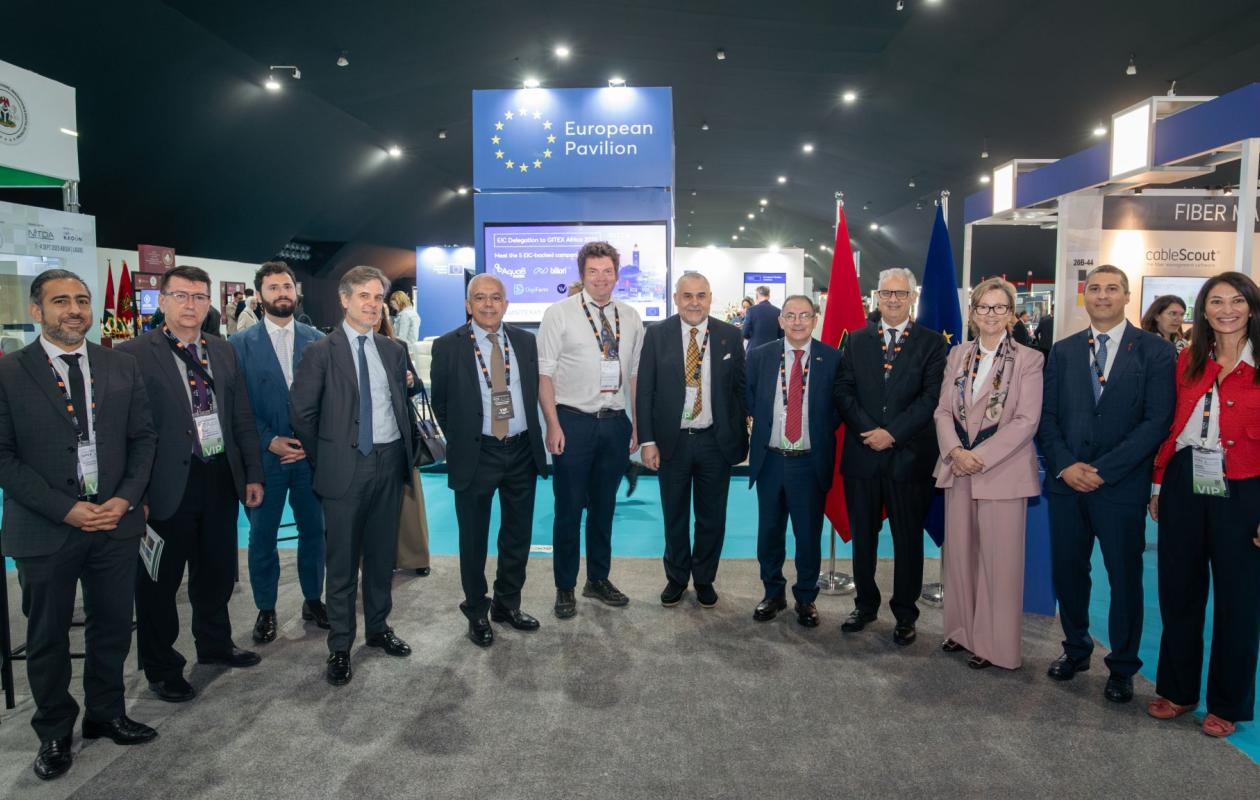
AquaB at GITEX Africa 2025

AquaB at Nanobubble2024 International Conference

Conference presentations showcase applications in algae cultivation, wastewater treatment, and petroleum enhancement

AquaB Nanobubble Innovations participated in the Nanobubble2024 International Conference held in Kyoto, Japan, from October 9-12, 2024. The company's technical team delivered multiple presentations covering both theoretical advances and practical industrial applications of nanobubble technology.

The Nanobubble2024 conference serves as the premier international gathering for researchers and industry practitioners working on nanobubble science and applications. Held in Kyoto, the event provided a platform for sharing the latest developments in this rapidly evolving field and fostering collaboration across sectors and disciplines.

Algae Cultivation and Biofuel Production

AquaB's research team presented findings on nanobubble applications in sustainable algae cultivation. The technology provides enhanced growth conditions through improved gas transfer efficiency, supporting increased biomass production. These advances have significant implications for biofuel development and other sustainable applications of microalgae.

The controlled delivery of gases via nanobubbles enables optimisation of photosynthetic efficiency and nutrient uptake, addressing key challenges in commercial-scale algae farming operations.

Wastewater Treatment Solutions

Several presentations addressed nanobubble technology's role in advancing wastewater treatment efficiency. The ultra-high surface area and extended stability of nanobubbles enable more effective treatment processes while reducing energy consumption; a critical consideration as wastewater treatment facilities seek to reduce operational costs and environmental footprint.

Applications discussed included enhanced aeration for activated sludge processes, improved dissolved air flotation operations, and advanced oxidation processes for contaminant removal.

Petroleum Industry Applications

The conference also included presentations on nanobubble applications within the oil and gas sector, a sector of particular interest to AquaB, covering both upstream and downstream operations. Key topics included:

  • Enhanced petroleum extraction processes
  • Improved refining efficiency
  • Reduced environmental impact of petroleum operations
  • Applications in produced water treatment

These applications demonstrate how nanobubble technology can deliver performance improvements while supporting the industry's transition toward more sustainable operational practices.

Across all application areas, the presentations emphasised AquaB's platform technology approach, where core electric field nanobubble generation capabilities can be adapted and optimised for diverse industrial contexts. This flexibility stems from the controllability inherent in electric field-based generation methods, allowing precise tuning of nanobubble characteristics to meet specific application requirements.

International Collaboration and Knowledge Exchange

The Nanobubble2024 conference facilitated valuable exchanges with international researchers and industry partners working on nanobubble science and applications. These interactions support ongoing development of both the fundamental understanding of nanobubble behaviour and the practical implementation of the technology across new use cases.

Japan has been at the forefront of nanobubble research and commercialisation for many years, making Kyoto a particularly fitting location for this international gathering.

As nanobubble technology continues to mature and gain industrial acceptance, opportunities for new applications continue to emerge. AquaB remains committed to advancing both the scientific understanding and practical deployment of electric field nanobubble generation across sectors where the technology can deliver meaningful improvements in efficiency, sustainability, and performance.

Image
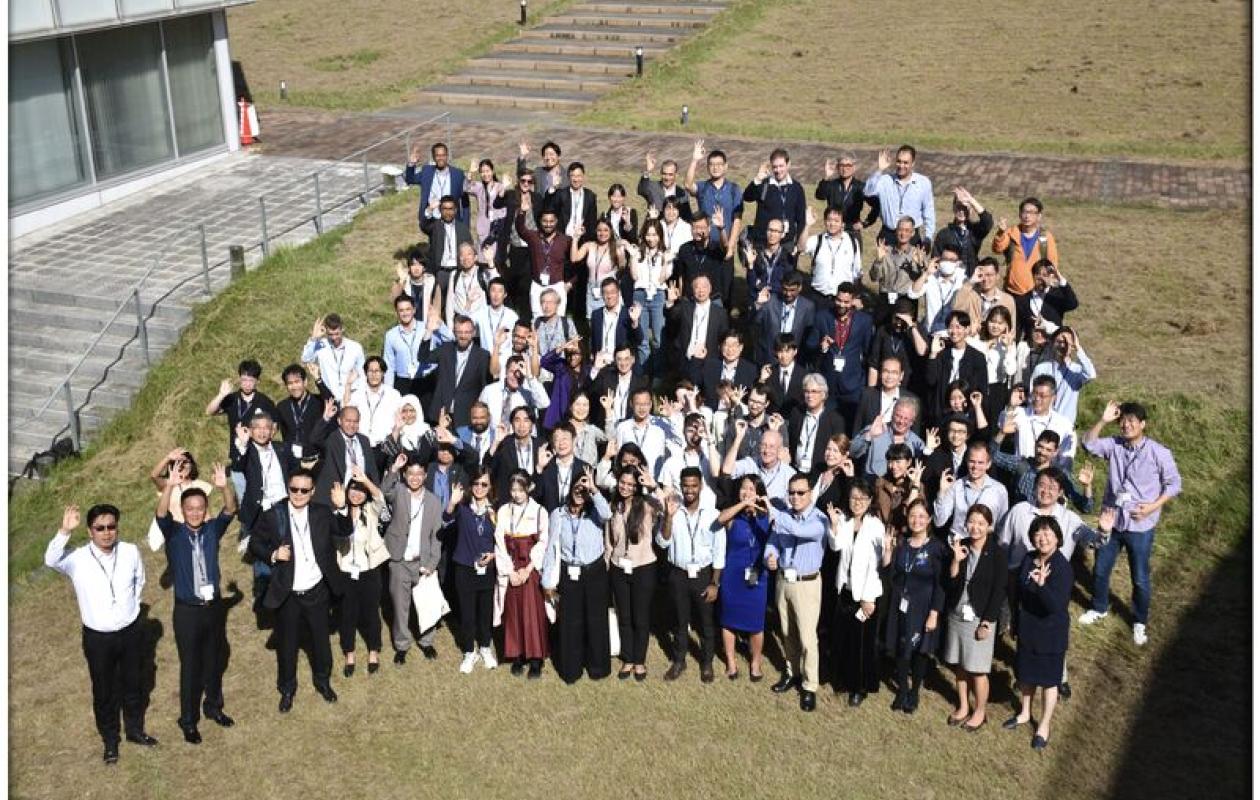
AquaB at 𝗡𝗮𝗻𝗼𝗯𝘂𝗯𝗯𝗹𝗲𝟮𝟬𝟮𝟰 𝗜𝗻𝘁𝗲𝗿𝗻𝗮𝘁𝗶𝗼𝗻𝗮𝗹 𝗖𝗼𝗻𝗳𝗲𝗿𝗲𝗻𝗰𝗲

AquaB and Aramco Present Nanobubble Research at International Electrokinetics Symposium

Joint special session explores electric field-driven nanobubble generation at ELKIN2024 in Seville

AquaB Nanobubble Innovations, in collaboration with Aramco, organised a special research session at the 15th International Symposium on Electrokinetics (ELKIN2024) in Seville, Spain. The session showcased advances in electric field-driven nanobubble generation technology and its industrial applications.

The symposium, organised by the International Electrokinetics Society (IES), brought together leading researchers and practitioners in electrokinetics to discuss both theoretical developments and practical applications. The AquaB-Aramco session focused specifically on the role of electric fields in nanobubble physics and transport.

Key Technical Insights

During the session, Prof. Niall English, AquaB's Chief Technology Officer, presented research on the electric field genesis of denser nanobubbles, a process that the company has successfully implemented at industrial scale. The presentation highlighted several advantages of electric field-generated nanobubbles:

  • Enhanced stability: significantly longer lifespan compared to mechanically generated nanobubbles
  • Greater density: producing what the research team describes as "thick-skinned" nanobubbles with superior mechanical properties
  • Improved controllability: precise adjustment of nanobubble characteristics through field parameters

The research demonstrates that applying electric fields during nanobubble generation results in populations with enhanced longevity and stability, opening new possibilities for industrial deployment.

The presentation included performance metrics of AquaB's commercial nanobubble generators, emphasising three critical parameters:

  1. Nanobubble population density
  2. Lifespan and stability characteristics
  3. Functional performance in target applications

Understanding these metrics is essential for optimising nanobubble technology across diverse sectors including water treatment, energy production, and various industrial processes where gas-liquid interactions play a crucial role.

The Art of Nanobubble Engineering

The concept of "nanobubble engineering" emerged as a central theme; the ability to precisely control nanobubble characteristics through electric field manipulation represents a fundamental shift from previous generation methods. This level of control enables the tailoring of nanobubble properties to specific application requirements, a capability that distinguishes electric field-based approaches from conventional mechanical generation techniques.

Future Directions

While significant progress has been achieved with breakthrough electric-field methods in nanobubble generation, substantial opportunities remain for exploration. Many potential applications could benefit from this enabling platform technology, particularly in sectors facing challenges related to gas solubility, mass transfer, and energy efficiency.

The collaboration between AquaB and Aramco continues to advance both the fundamental understanding and practical implementation of electric field nanobubble technology. As industrial adoption grows and new use cases are identified, the field of nanobubble engineering is poised for continued expansion.

About ELKIN2024

The International Symposium on Electrokinetics serves as the premier global forum for researchers and practitioners working on electrokinetic phenomena and their applications. The 2024 edition in Seville provided an ideal platform for interdisciplinary collaboration and knowledge exchange among experts from academia and industry.

Image
AquaB presentation at 𝗘𝗟𝗞𝗜𝗡𝟮𝟬𝟮𝟰

AquaB at GITEX Global

AquaB Nanobubble Innovations Ltd has been selected by the European Innovation Council as one of fifteen companies to represent the EU at GITEX Global at Dubai World Trade Centre, from 14-18 October 2024. 

The trade fair is described as gathering the world’s most advanced companies and best minds to elevate business, economy, society and culture through the power of innovation. It attacts more than 200,000 delegates from more than 180 countries and is hailed as the largest tech show in the world. 

AquaB was selected to attend as part of the European Innovation Council delegation, as an EIC supported company, and will be represented by our CTO Prof. Niall English. 

Image
EIC supported companies at GITEX Global

Nanobubbles 101 audio course launched to accelerate understanding of transformative technology

AquaB has today launched a self-led audio course on nanobubbles, to help accelerate global understanding of what nanobubbles are - and why they are important.

Nanobubbles 101, hosted by Prof. Niall English, has been published in podcast-form to enable easy access internationally. The seven-episode series is designed to provide baseline information about nanobubbles, which are tiny gas bubbles, invisible to the eye, on the nanometre (nm) scale. 

The small size of nanobubbles gives them distinct properties that are potentially transformative for a wide range of industrial applications. These properties include long-time metastability, high surface area-to-volume ratio, and slow rising velocity. 

The potential of nanobubbles has been known for some time, but the barrier to widespread adoption has been the challenge of developing energy-efficient, controllable, reliable generation. Recent breakthroughs mean that nanobubble technology is expected to have a transformative impact on disparate sectors, including, among other things, water treatment, energy, algae control, carbon capture, agriculture and aquaculture.

Prof. English is CTO of AquaB Nanobubble Innovations Ltd, a University College Dublin (UCD) spin-out company which is commercialising electric-field nanobubble generation technology. AquaB’s nanobubble generators utilise a novel method to generate high concentrations nanobubbles using static electric fields, which was lead-invented by Prof. English. 

The Nanobubbles 101 audio course has been developed by AquaB, informed by feedback from industry insiders. Commenting on its launch, Prof. Niall English said:

“A fundamental challenge for multiple industries is limited solubility in many liquids. Nanobubbles offer a very exciting opportunity to effectively address these challenges. 

“Take the levels of oxygen in water, for example. A lack of dissolved oxygen is a significant cause of fish kills during hot weather and the same lack of dissolved oxygen is also the main reason for lakes being blighted by harmful algal blooms. Of course, a warming global climate will amplify many of these problems. 

“Never has the need to accelerate environmental sustainability and water treatment been so critical. With nanobubble-generator technology now becoming more widely available, I felt there was a need to make sure key decision-makers in industry have a way of understanding the science behind nanobubbles. 

“By making that scientific explanation freely available, my hope is that engineers and innovators in industry will grasp the potential for this technology in their respective industries and start to apply it. That’s what Nanobubbles 101 offers to the listener.” 

Prof. English is an internationally recognised expert in how external fields affect the ordering and behaviour of systems at the nanoscale, and his research interests encompass nanoscience, electric-field effects, nanobubbles, carbon capture and gas hydrates. In September 2023, he was announced as a recipient of a European Research Council (ERC) Advanced Grant, worth upwards of €2.5 million, for a project called NIMBLE which will investigate how the characteristics of electric-field-generated nanobubbles and nanodroplets can be controlled and optimised.

He added: 

“The real opportunities for nanobubble technology will only be realised if industry understands the potential and innovates to develop transformative use cases for it. This is a very young industry, and we are only at the very early stages of understanding the longer-term potential of nanobubbles for industry and for our planet.” 

Nanobubble 101 can be found on all major podcast platforms, including Apple, Spotify and Audible, and is also available to stream on AquaB's website.

Graphic showing properties of nanobubbles